

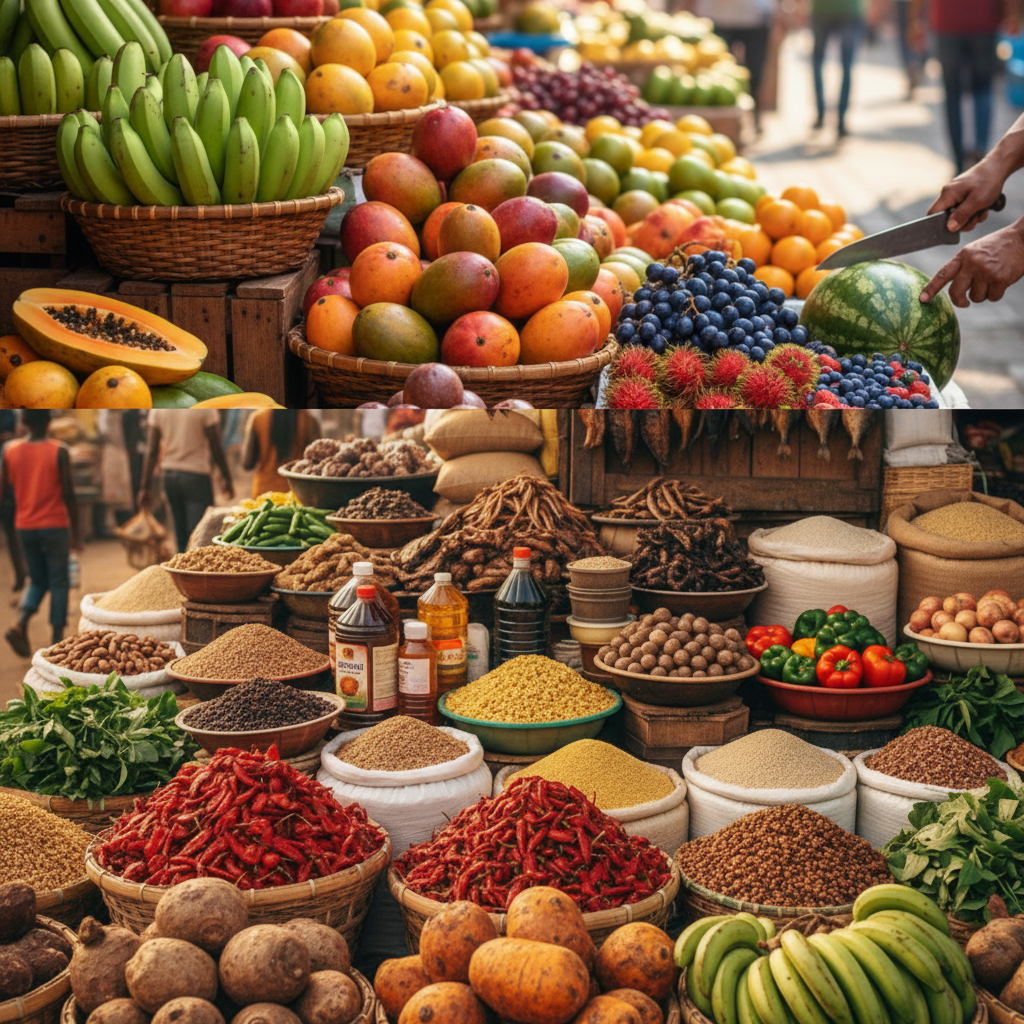
Introduction: The Unseen Culprits in Our Kitchen
Hey there! Let’s have a heart-to-heart about food. Not the fancy, rare ingredients we occasionally treat ourselves to, but the everyday staples—the quiet, unassuming items that fill our pantries, refrigerators, and lunchboxes. These are the foods we reach for without a second thought, the trusted companions of our busy lives. They taste familiar, they’re convenient, and they’re often marketed as wholesome. But what if I told you that some of these daily go-tos might be quietly working against your health goals?
First, take a deep breath. This isn’t about fear, guilt, or a drastic overhaul. It’s about awareness, empowerment, and gentle shifts. Think of me as a friendly guide, here to shine a light on some hidden corners of your diet so you can make choices that truly nourish your incredible body. You deserve to feel vibrant, energetic, and strong, and it all starts with what’s on your plate.
So, let’s roll up our sleeves and explore these seven everyday foods. Our mission isn’t to eliminate joy from eating but to rediscover it in its most authentic, health-supporting form. Ready? Let’s go!
1. The "Whole-Grain" Illusion: Refined Breads and Pastas
The Secret Sabotage: Nutrient Stripping, Blood Sugar Spikes, and Inflammation.
That soft, fluffy white bread or that bowl of comforting pasta—they feel like staples, don’t they? The issue isn’t wheat itself, but what modern processing does to it. Truly whole grain contains three parts: the fiber-rich bran, the nutrient-packed germ, and the starchy endosperm. Refined grains strip away the bran and germ, leaving only the endosperm. This process removes about 25% of the grain’s protein and at least seventeen key nutrients, including B vitamins, iron, and fiber.
What you’re left with is essentially a quickly digestible starch. When you eat it, your body breaks it down into sugar almost immediately, leading to a rapid spike in blood glucose and insulin. This cycle can lead to energy crashes, increased hunger, and, over time, insulin resistance—a precursor to type 2 diabetes. Furthermore, the lack of fiber means it does little to support your gut microbiome, the foundation of your immune system.
The Friendly Swap: Don’t worry—you don’t have to give up bread or pasta! The key is to become a label detective. Look for “100% whole grain” or “whole wheat” as the first ingredient. Even better, explore the wonderful world of intact grains like quinoa, farro, barley, and oats. For pasta, try those made from lentils, chickpeas, or black beans. They’re packed with protein and fiber, keep you full for hours, and provide steady energy. Start by swapping just one meal a week. Your body will thank you with more stable energy.
2. The Sweet Trap: Flavored Yogurts
The Secret Sabotage: A Sugar Bomb Disguised in a Health Halo.
Yogurt is fantastic! It’s a great source of protein, calcium, and probiotics. But walk down the dairy aisle, and you’re met with a rainbow of flavored options: strawberry cheesecake, peach mango, vanilla crème. Here’s the secret: a single 6-ounce cup of some popular flavored yogurts can contain more sugar than a can of soda—sometimes up to 25-30 grams! That’s 6 to 7 teaspoons of added sugar in a food many consider a health food.
This added sugar (often listed as cane sugar, fructose, or fruit concentrate) negates many of yogurt’s benefits. It feeds harmful gut bacteria, promotes inflammation, and, like refined grains, causes those damaging blood sugar spikes. The “fruit” inside is often a jam-like preserve with little real fruit nutrition.
The Friendly Swap: Embrace the power of plain! Choose plain Greek or regular yogurt—it’s tart, creamy, and purely wholesome. Then, become the flavor artist. Stir in a drizzle of real honey or pure maple syrup (you control the amount, and it’s usually far less). Add a handful of fresh berries, a sprinkle of cinnamon, or a dash of vanilla extract. Toss in some nuts or seeds for crunch and healthy fats. You create a customized, nutrient-dense snack with a fraction of the sugar and all the benefits intact.
3. The Salty Deceiver: Processed "Healthy" Snacks (Veggie Chips, Pretzels, Rice Cakes)
The Secret Sabotage: Empty Calories, Sodium Overload, and Deceptive Marketing.
We’ve all been there: reaching for a bag of “veggie chips” or a low-fat rice cake, believing we’re making a smart choice. These snacks often wear a convincing “health halo.” But let’s look closer. Most veggie chips are made from potato starch or flour with a dash of vegetable powder for color. They’re often fried and salted, offering little more than starch, unhealthy fats, and sodium. Pretzels are refined flour and salt. Plain rice cakes are essentially puffed carbohydrates with a high glycemic index.
They provide minimal protein, fiber, or lasting satisfaction. The high sodium content can contribute to bloating, high blood pressure, and strain on your cardiovascular system over time. They’re what nutritionists call “empty calories”—they take up space in your diet without delivering meaningful nutrition.
The Friendly Swap: Crave something crunchy? Go for the real deal! Slice up carrots, bell peppers, cucumbers, or jicama for a hydrating, vitamin-packed crunch. Pair them with hummus or guacamole for healthy fats and protein. For a chip-like fix, try kale chips baked with a touch of olive oil, or opt for a small handful of nuts (like almonds or walnuts). These swaps provide fiber, healthy fats, vitamins, and real staying power.

4. The Liquid Landmine: Fruit Juice and Sports Drinks
The Secret Sabotage: Concentrated Sugar Without the Fiber.
“Made from real fruit!” It sounds so innocent. But when fruit is juiced, the beneficial fiber—which slows sugar absorption and feeds good gut bacteria—is discarded. What’s left is a concentrated dose of fructose and glucose. Drinking a 12-ounce glass of orange juice is like eating 4-6 oranges at once, without any of the fiber to buffer the sugar hit. It’s a shock to your liver and pancreas.
Sports drinks, designed for elite athletes during prolonged, intense exercise, are often just sugar water with electrolytes. For most of us sitting at desks or doing moderate workouts, they’re an unnecessary source of added sugars and artificial colors.
The Friendly Swap: Your best beverage is always water. Make it exciting by infusing it with slices of lemon, lime, cucumber, or fresh mint. If you miss juice, try making a smoothie where the whole fruit is blended, preserving all the fiber. For electrolyte replenishment after a sweaty workout, try coconut water (choose unsweetened) or simply add a pinch of high-quality salt to your water. Your hydration will be pure and effective.
5. The Factory-Fat Fiasco: Industrial Seed and Vegetable Oils
The Secret Sabotage: Inflammatory Fats Lurking in Every Pantry.
Soybean, corn, canola, sunflower, and safflower oils are ubiquitous. They’re in restaurant fryers, packaged snacks, salad dressings, and even “heart-healthy” margarines. The problem lies in their processing (high heat, chemical solvents) and their fatty acid profile. They are extremely high in omega-6 fatty acids.
While we need some omega-6s, our modern diet provides them in gross excess compared to anti-inflammatory omega-3s (found in fish, walnuts, flaxseeds). This skewed ratio (as high as 20:1 instead of the ideal 4:1 or lower) is a key driver of chronic, systemic inflammation, which is linked to heart disease, arthritis, and other conditions. These oils are also often unstable, forming harmful compounds when heated repeatedly.
The Friendly Swap: Focus on stable, traditional fats. For medium-heat cooking, use extra virgin olive oil, avocado oil, or coconut oil. For drizzling on finished dishes, embrace the flavor of extra virgin olive oil, toasted sesame oil, or flaxseed oil (don’t heat this one). Don’t fear natural fats like butter or ghee from grass-fed sources in moderation. By shifting your fat sources, you directly support your body’s anti-inflammatory pathways.
6. The Wolf in Sheep's Clothing: Diet Sodas and Artificial Sweeteners
The Secret Sabotage: Metabolic Confusion and Cravings.
“Zero calories! Zero sugar!” It seems like the perfect hack. But your brain and body are smarter than that. When you taste something intensely sweet (from aspartame, sucralose, etc.) but provide no caloric energy, it can confuse your metabolic systems. Studies suggest this may disrupt hunger hormones, potentially leading to increased cravings for sweet, calorie-dense foods later. It also does nothing to break the psychological addiction to ultra-sweet flavors, keeping you hooked on that taste profile.
Furthermore, emerging research indicates a potential negative impact on the gut microbiome. While the long-term health effects are still being studied, one thing is clear: they are not a “healthy” alternative. They’re a chemical workaround that keeps you dependent on hyper-sweetness.
The Friendly Swap: Break free from the sweet trap altogether. Your taste buds can adapt! Gradually reduce your reliance on sweetened beverages. Try sparkling water with a splash of 100% fruit juice. Brew unsweetened iced tea with herbs like mint. Over time, you’ll find natural foods like fruits taste sweeter and more satisfying. This is a journey of resetting your palate to appreciate true, natural flavors.

7. The Comfort Food Con: Processed Meats:
The Secret Sabotage: Nitrates, Nitrites, and Advanced Glycation End Products (AGEs).
The sizzle of bacon, the convenience of deli turkey, the summer hot dog—these are ingrained in our food culture. Processed meats (those preserved by smoking, curing, salting, or adding chemical preservatives) include sausages, ham, salami, and most lunch meats. The primary concerns are two-fold.
First, to preserve color and prevent spoilage, many contain nitrates and nitrites, which can form nitrosamines in the body—compounds linked to an increased risk of certain cancers, particularly colorectal cancer. Second, the high-temperature processing (grilling, frying, smoking) creates Advanced Glycation End Products (AGEs), which promote oxidative stress and inflammation in the body.
The Friendly Swap: This is about upgrading your protein sources, not eliminating them. Focus on fresh, unprocessed meats: chicken breast, turkey you roast yourself, fresh fish, eggs, and legumes. When you do want a salty, cured flavor, look for brands that are “uncured” and use natural preservatives like celery juice (which still contains nitrates, but from a natural source, often in lower amounts). Better yet, make it a special occasion food rather than a daily staple. Your weekend bacon can be enjoyed more fully when it’s not an everyday habit.
Putting It All Together: Your Journey to Vibrant Health:
Whew! That was a lot of information. If you’re feeling overwhelmed, please don’t. Remember, this isn’t about perfection. It’s about progress. You don’t need to clear out your kitchen tonight. Lasting change happens through small, sustainable steps.
Start with ONE. Look at this list and ask yourself: “Which one of these do I consume most often?” Pick that one. For the next two weeks, focus solely on finding a better alternative for that single item. Master that swap until it feels like your new normal. Then, when you’re ready, choose another.
Become a Label Reader. Turn packaging over. Look at the sugar, sodium, and ingredient list. If the list is long and full of words you can’t pronounce, it’s a clue it’s highly processed. Choose foods with shorter, recognizable ingredient lists.
Cook More at Home. This is the single most powerful tool you have. When you cook, you control the quality of oils, the amount of salt and sugar, and the freshness of ingredients. Start with one more homemade meal per week than you do now.
Practice the 80/20 Rule. Aim to make nourishing, whole-food choices 80% of the time. Leave 20% room for life’s pleasures—the birthday cake, the family pizza night, the occasional treat. This balance is sustainable and joy-filled.
You have the power to transform your health through the countless small decisions you make each day. Each time you choose whole over refined, real over processed, you are voting for your vitality. You are building a body that feels energized, a mind that feels clear, and a future full of wellness.
So here’s to you—to your awareness, your motivation, and your journey. You’ve got this! Let’s make those everyday choices count, one delicious, wholesome bite at a time.