

The Ripple Effect of Conflict: Assessing Regional Security After Counter-Terrorism Operations
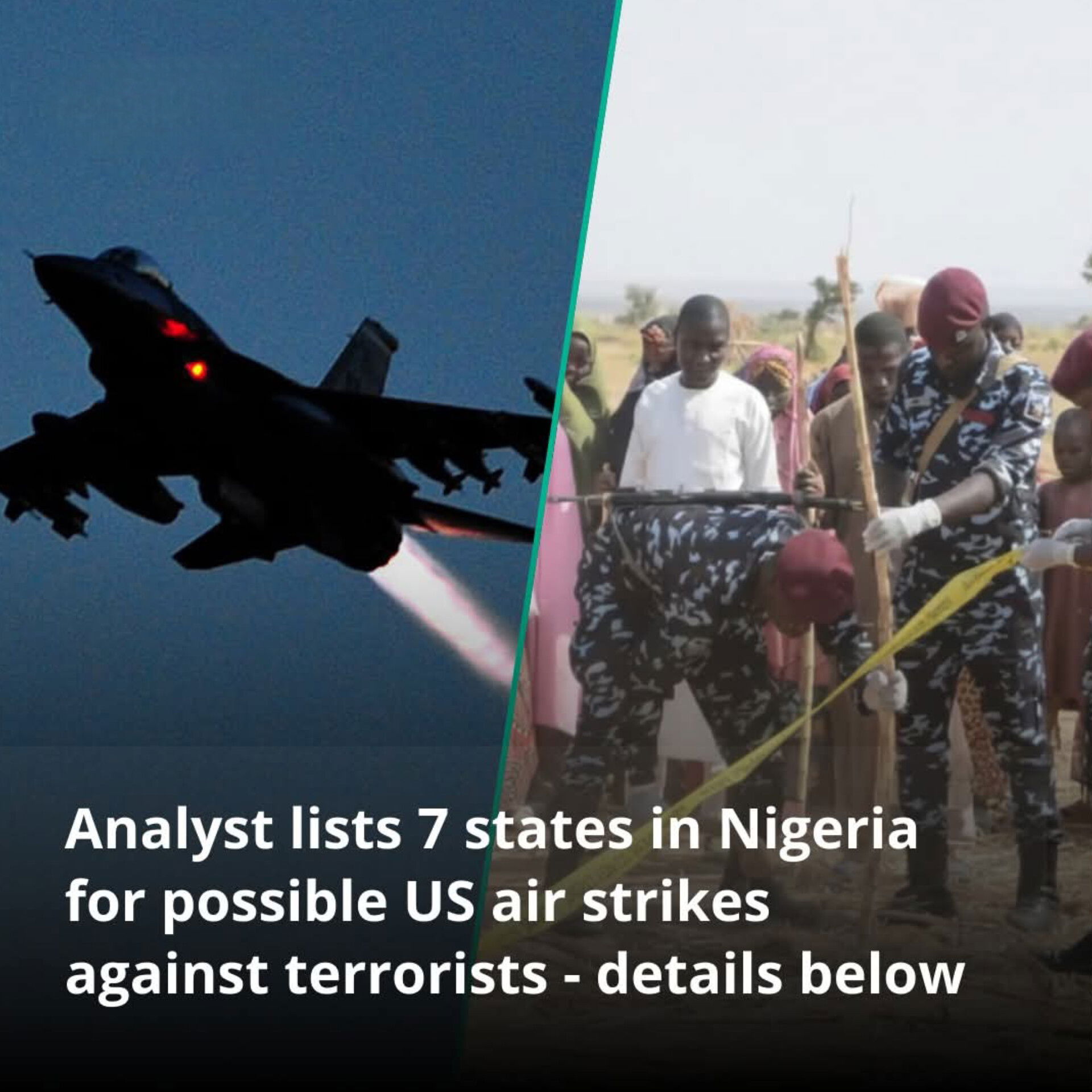
The complex and often unpredictable nature of modern counter-terrorism campaigns was recently underscored by a security analyst’s stark warning. Following a series of U.S. airstrikes targeting terrorist elements in a neighboring region, the analyst identified seven Nigerian states as potential new fronts for instability. This warning highlights a critical, yet frequently overlooked, dimension of international security interventions: the displacement effect. When significant military pressure is applied in one theater, non-state armed groups, far from being neutralized, often adapt by relocating, regrouping, and exploiting new vulnerabilities elsewhere. This phenomenon places a profound burden on neighboring nations, testing their defensive preparedness and threatening to regionalize a crisis.
The analyst’s focus on Nigeria is neither arbitrary nor alarmist. It is rooted in a sober assessment of the country’s existing security landscape and its geographical position. Nigeria, Africa’s most populous nation, already contends with multiple, overlapping security challenges. The long-standing and brutal insurgency of Boko Haram and its splinter faction, the Islamic State West Africa Province (ISWAP), has plagued the Northeast for over a decade. In the Northwest, rampant banditry and kidnapping for ransom have created a near-state of anarchy. Separatist agitations simmer in the Southeast, while longstanding farmer-herder conflicts, often taking on ethno-religious dimensions, destabilize the Middle Belt. This intricate tapestry of violence means that the foundations for further instability are already perilously in place.
The introduction of battle-hardened, externally displaced terrorist fighters into this volatile mix could act as a dangerous accelerant. These groups possess tactical experience, ideological fervor, and often, more sophisticated weaponry. Their potential areas of operation, as flagged by analysts, likely include border states like Borno, Yobe, and Adamawa, where the existing Boko Haram insurgency provides a potential framework for collaboration or hostile takeover. However, the threat may not be confined to the Northeast. States with vast, ungoverned forest reserves—such as Kaduna, Niger, and Zamfara—offer ideal terrain for establishing hidden camps, similar to the groups’ previous sanctuaries. Furthermore, the strategic importance of states like Kano, with its major commercial hubs, could make them targets for high-impact attacks aimed at economic disruption and psychological terror.
The consequences of such a displacement would be catastrophic on multiple levels. For the civilian populations in these states, already weary from endemic insecurity, it would signify a terrifying escalation. Communities could face intensified attacks, more sophisticated explosive devices, and the grim tactics of ideological extremism layered onto existing criminal violence. The humanitarian crisis, with millions already internally displaced and reliant on aid, would deepen exponentially, stretching national and international relief agencies to a breaking point. Economically, the impact would be severe. Agricultural production, a mainstay in many of these states, would further decline as farmers are driven from their lands, exacerbating food insecurity. Local and foreign investment would flee regions perceived as new terrorism hotspots, crippling development and job creation.
For the Nigerian state, the challenge would represent a supreme test of its security architecture. The military and police forces are already engaged in multiple theaters across the country, facing criticism over stretched resources, operational overreach, and allegations of human rights abuses. A significant influx of seasoned terrorists could overwhelm current deployment plans, forcing difficult triage decisions on where to concentrate limited elite units. This scenario also raises urgent questions about intelligence sharing and cross-border cooperation. The effectiveness of early warning would depend on seamless communication between Nigerian agencies and international partners, including the United States, whose actions might inadvertently trigger the crisis. Border security, often porous across the Sahel, would require immediate and massive reinforcement, a task fraught with logistical and financial difficulties.
This potential crisis serves as a crucial case study in the law of unintended consequences in global security. It underscores that military actions, even when successful in their immediate tactical objectives, can export instability. Therefore, the response must be multifaceted and proactive, not merely reactive. Nigeria’s first line of defense lies in fortifying its own internal security measures. This goes beyond mere troop deployments; it requires enhanced, real-time intelligence surveillance of vulnerable border areas and forest reserves, investment in community policing initiatives to build local trust and early-warning networks, and accelerated programs for economic development in marginalized regions to undermine the recruitment narratives of extremists.
Ultimately, the security analyst’s warning is a call for a paradigm shift in how counter-terrorism is conceived and executed. It argues that a strike in one nation cannot be viewed in isolation. The international community, particularly nations undertaking direct military action, must integrate a “spillover containment” strategy into their operational planning. This involves pre-emptive consultation with neighboring states, sharing actionable intelligence, and providing tangible support—be it technical, logistical, or financial—to help them harden their defenses before displaced militants arrive at their borders. The goal must be to create an interconnected security buffer that prevents terrorists from simply playing a deadly game of whack-a-mole across the map. The stability of Nigeria, a regional giant, is essential for the stability of the entire West African subcontinent. Preventing it from becoming the next chapter in a dispersing conflict is not just Nigeria’s responsibility, but an imperative for regional and international peace.