

EXCLUSIVE: New Study Pinpoints ISWAP Foothold in Sokoto, Raises Questions on U.S. Strike Strategy
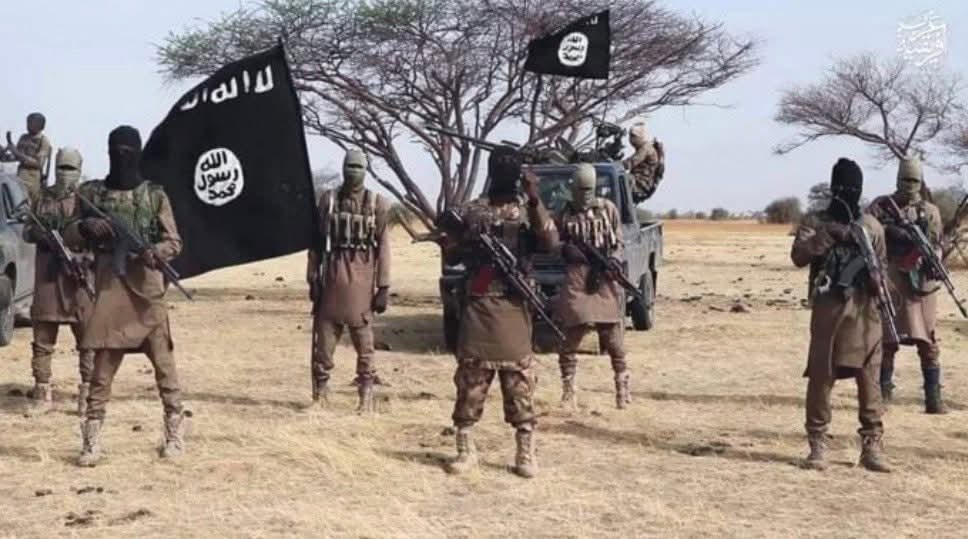
A groundbreaking new investigation has confirmed the existence of a critical logistics and operational hub for the Islamic State West Africa Province (ISWAP) in Nigeria’s north-western Sokoto State, a finding that casts fresh light on the expanding threat landscape of extremist groups in the region. This revelation comes amidst growing expert scrutiny over the geographic focus and long-term strategy of recent U.S. military actions in the area.
In the pre-dawn hours last Friday, residents near the border with Niger Republic reported a series of powerful explosions as U.S. aircraft launched a fusillade of air strikes targeting ISIS-affiliated terrorists. While U.S. Africa Command (AFRICOM) confirmed the action, stating it eliminated "multiple terrorists" and that no civilians were harmed, the location—Sokoto in the northwest—immediately raised eyebrows among regional security analysts.
Why? Because ISWAP, the lethal ISIS affiliate that split from Boko Haram, has been primarily known as a menace of Nigeria’s north-east and the expansive Lake Chad Basin, over 1,000 kilometers away. The Sokoto strikes, therefore, represent a significant and public acknowledgment of the group’s successful, and previously less-documented, geographical spread.
The Study: Connecting the Dots in Sokoto:
The new study, conducted by the independent conflict research network SBM Intelligence, provides the connective tissue for these events. Titled "The Western Front: ISWAP's Silent Entrenchment in Sokoto," the report meticulously details how communities in the Illela and Goronyo local government areas of Sokoto have been living under a shadow of infiltration since as far back as late 2017.
The research identifies a pattern of incursions by fighters locally referred to as "Lakurawa"—a Hausa term for militants originating from neighbouring Sahel nations like Niger and Mali. These fighters, the study finds, did not arrive as a conquering army but rather through a steady, deliberate process of embedding themselves.
"They established themselves not through large-scale attacks initially, but by setting up logistics bases," explains Cheta Nwanze, lead partner at SBM Intelligence. "These are hubs for moving weapons, storing supplies, and recruiting from local communities disillusioned by poverty and a lack of government presence. Sokoto, with its porous border, became a perfect rear base."
The report chronicles how these cells, now confirmed to be aligned with ISWAP’s broader command, gradually shifted from quiet presence to violent activity, including targeted killings, kidnappings for ransom, and the imposition of illegal taxes on villagers. This modus operandi mirrors the group’s strategy in the north-east but applied to the unique socio-political context of the northwest, a region already grappling with complex cycles of banditry and communal violence.
Expert Reactions: A Strategic Shift or a Tactical Strike?
The convergence of the study’s findings and the U.S. air strikes has ignited a robust debate within security and diplomatic circles.
"These strikes in Sokoto are a clear game-changer," says Dr. Murtala Ahmed, a security studies professor at Usmanu Danfodiyo University in Sokoto. "For years, the narrative has been of a north-east-centric insurgency. This action, supported by the new evidence, officially shatters that myth. It confirms that ISWAP is executing a coordinated, two-front strategy against the Nigerian state."
However, the precision of the bombs has been met with a barrage of questions about the broader strategy. Some analysts are asking: Is this a one-off response to specific intelligence, or the beginning of a sustained campaign in the northwest?
"We have to applaud the tactical success of neutralizing a threat," notes Idayat Hassan, director of the Centre for Democracy and Development. "But the strategic questions loom large. Does the U.S. have the mandate and partner capacity for a prolonged air campaign in the northwest? What is the accompanying non-kinetic plan? These strikes can disrupt, but without parallel efforts to secure communities, address root causes like unemployment, and support local governance, another cell will simply fill the vacuum."
There is also concern about the potential for "mission creep," drawing international forces deeper into a region where the conflict is deeply entangled with criminal banditry, making clear target identification perpetually challenging.
The Local Dimension: A Community on the Frontline:
For the residents of border villages in Sokoto, the study merely formalizes a harsh reality they have endured for years. The term "Lakurawa" has become part of their daily lexicon, a word whispered with apprehension.
"The motorcycles come from the bush paths, from the direction of Niger," shares Aminu Illela (name changed for security), a community leader. "They know the terrain better than our own security sometimes. They take our food, our animals, and demand money. They tell us their law is coming. We are caught between them and nowhere to turn."
This local testimony underscores the critical human dimension often lost in discussions of strategy. The confirmation of an ISWAP hub validates their experiences and highlights the urgent need for a security response that prioritizes civilian protection and community resilience.
Looking Ahead: A Crossroads for Counter-Terrorism:
The U.S. strikes in Sokoto, illuminated by the new research, have pulled back the curtain on a significant evolution in Nigeria’s security challenges. The line between north-east insurgency and north-west instability is now demonstrably blurred.
The Nigerian government faces mounting pressure to articulate a unified, holistic response that treats the ISWAP threat as a national, not regional, crisis. This will require unprecedented coordination between military operations in the north-east and north-west, as well as a dedicated effort to secure the vast, unmanned borderlands.
As one Western diplomat in Abuja cautiously put it, "Friday’s strikes were a necessary surgical procedure. But the patient—the region—needs a comprehensive treatment plan. Everyone is now watching to see if that plan exists."
One thing is now certain: the map of Nigeria’s conflict has been redrawn. Sokoto is no longer just a periphery; it is a confirmed front line in the fight against the Islamic State’s African franchise. How the world and Nigeria respond will determine the next chapter in this protracted struggle.