

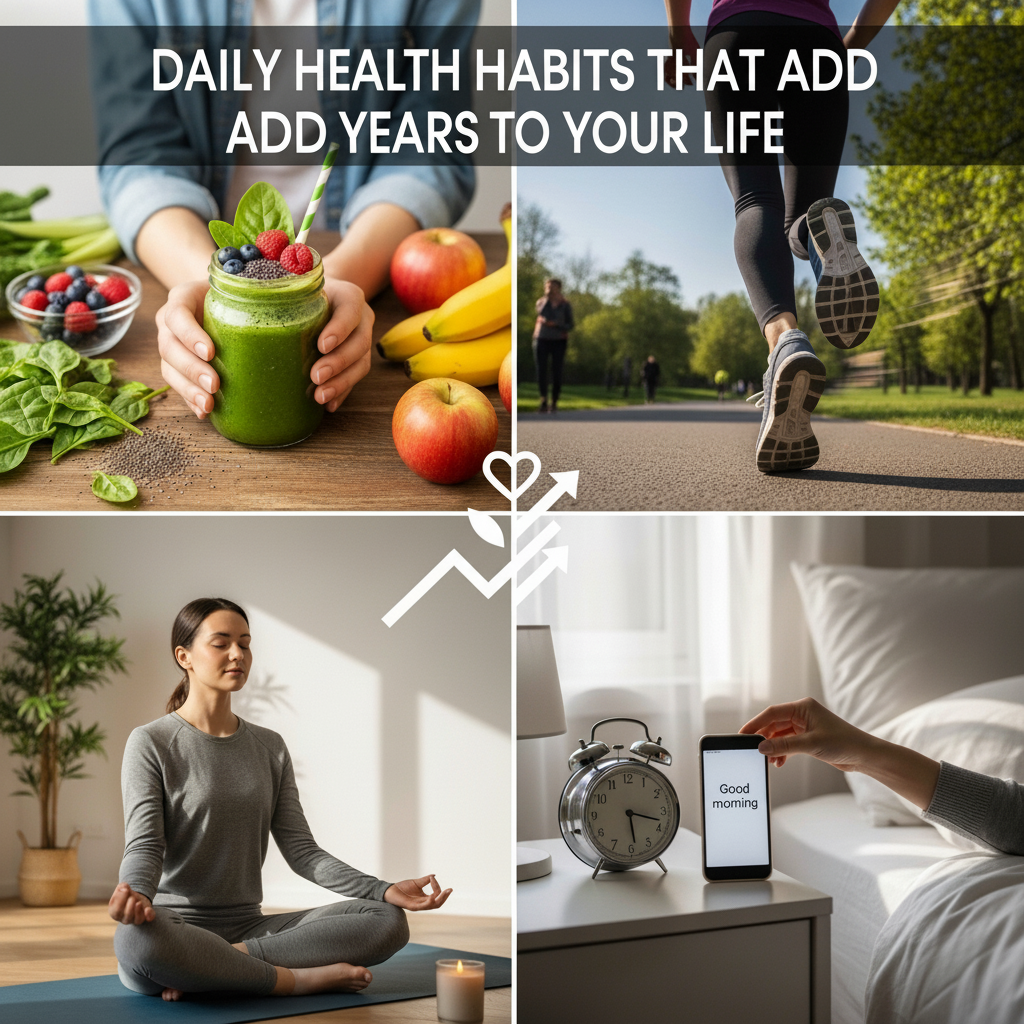
Hello there! If you’re reading this, you’ve already taken the first, most important step toward a longer, healthier, and more vibrant life: you’re curious, you’re invested, and you’re ready to make positive changes. That’s fantastic! The quest for longevity isn’t about chasing a mythical fountain of youth or resorting to extreme, unsustainable measures. Instead, it’s woven from the threads of simple, daily choices—the small, consistent actions that, over time, compound into extraordinary results.
Think of your body and mind as the most exquisite garden you’ll ever tend. You wouldn’t expect a single day of watering to yield a bounty of blooms; rather, it’s the daily care—the sunlight, the weeding, the nourishment—that creates lasting beauty and resilience. The science is overwhelmingly clear: our daily habits are the single greatest predictor of our healthspan (the years we live in good health) and our lifespan. The power to add years to your life, and life to your years, rests firmly in your hands, one day at a time.
So, let’s embark on this journey together. We’ll explore a holistic tapestry of habits, from what you put on your plate to how you rest your head at night. These aren’t draconian rules, but friendly, motivated invitations to feel better, starting today.
1. The Foundation: Nourishment as Nurturing:
Food is far more than fuel; it’s information. Every bite sends instructions to your cells, influencing inflammation, hormone balance, and cellular repair. The goal here isn’t perfection, but a consistent pattern of eating that supports your biology.
· Embrace the Rainbow: Make it a joyful game to “eat the rainbow.” Deeply colored fruits and vegetables are packed with antioxidants and phytonutrients that combat oxidative stress—a key driver of aging. Aim for a variety: the lycopene in red tomatoes, the anthocyanins in blueberries, the chlorophyll in spinach, and the beta-carotene in sweet potatoes. Each color represents a different battalion of defenders for your body.
· Prioritize Plant-Based Wholesomeness: Shift your plate’s proportions. Let vegetables, fruits, legumes, nuts, and whole grains take center stage. The fiber in these foods is a superstar—it feeds your beneficial gut microbiome (crucial for immunity and even mood), helps regulate blood sugar, and supports heart health. A fiber-rich diet is consistently linked to longevity.
· Choose Fats Wisely: Banish the fear of fat! Healthy fats are essential for brain health and reducing inflammation. Incorporate avocados, olive oil, nuts, and fatty fish like salmon (rich in omega-3s) into your weekly routine. Think of them as lubricants for your complex cellular machinery.
· Hydrate with Purpose: Water is the medium of life. Every metabolic process depends on it. Dehydration can masquerade as fatigue, hunger, or brain fog. Start your day with a glass of water. Keep a bottle nearby. Infuse it with lemon, cucumber, or mint for flavor. Proper hydration aids digestion, keeps skin supple, and helps kidneys flush toxins.
· Practice Mindful, Not Restrictive, Eating: Slow down. Savor your food. Eat without the distraction of screens. Listen to your body’s hunger and fullness cues. This simple act of presence can prevent overeating, improve digestion, and transform eating from a mindless task into a source of daily pleasure and gratitude.
2. The Catalyst: Movement as Celebration:
Our bodies are designed to move. Regular physical activity is the closest thing we have to a miracle drug. It strengthens your heart, lungs, bones, and muscles, clears your mind, and boosts your mood.
· Find Joy in Motion: The best exercise is the one you’ll actually do and enjoy. It doesn’t have to be hour-long gym sessions. It could be dancing in your living room, hiking in nature, swimming, cycling, or playing with your kids or dog. When movement feels like play, it ceases to be a chore.
· Weave Activity into Your Day: Accumulate movement in small, potent doses. Take the stairs. Park farther away. Have a “walking meeting.” Do five minutes of stretching during a work break. These “movement snacks” add up significantly, countering the dangers of prolonged sitting.
· Build a Balanced Routine: Aim for a mix over the week:
· Cardiovascular Exercise (brisk walking, jogging, cycling): Aim for at least 150 minutes of moderate activity per week. This keeps your cardiovascular system robust.
· Strength Training (using weights, resistance bands, or bodyweight): At least twice a week. This is non-negotiable for preserving muscle mass, which naturally declines with age. Muscle is metabolically active and vital for mobility and independence as you age.
· Flexibility & Balance (yoga, tai chi, simple stretching): Daily if possible. This maintains range of motion, prevents injury, and improves stability, which is crucial for preventing falls later in life.
3. The Restoration: Sleep as Sacred Repair:
Never, ever underestimate the power of sleep. This is when your body performs its most critical maintenance work: repairing tissues, consolidating memories, clearing metabolic waste from the brain, and rebalancing hormones. Skimping on sleep is like taking a loan from your health with very high interest.
· Make Consistency King: Try to go to bed and wake up at roughly the same time, even on weekends. This regulates your circadian rhythm, your body’s internal clock, leading to more restorative sleep.
· Craft a Soothing Pre-Sleep Ritual: Signal to your body that it’s time to wind down. An hour before bed, dim the lights. Disconnect from all screens—the blue light suppresses melatonin, the sleep hormone. Instead, try reading a physical book, listening to calming music, taking a warm bath, or practicing gentle meditation or deep breathing.
· Optimize Your Sleep Sanctuary: Make your bedroom a temple for sleep. Ensure it is dark (use blackout curtains if needed), cool (around 65°F or 18°C is ideal), and quiet. Invest in a comfortable mattress and pillows. Reserve your bed for sleep and intimacy only, training your brain to associate it with rest.
4. The Anchor: Managing Stress and Cultivating Calm:
Chronic stress is like a corrosive acid on the body. It elevates cortisol, which in excess can increase blood pressure, impair immunity, and contribute to anxiety and weight gain. Managing stress isn’t a luxury; it’s a pillar of longevity.
· Breathe, Deeply and Often: Your breath is an always-accessible remote control for your nervous system. When stressed, pause and take five slow, deep belly breaths. This simple act activates the parasympathetic (“rest-and-digest”) system, dialing down the stress response.
· Discover Mini-Meditations: You don’t need to sit for an hour. Start with five minutes a day. Use an app or simply focus on the sensation of your breath. This practice rewires your brain for greater focus and emotional resilience.
· Connect with Nature: “Forest bathing” or simply spending time in green spaces has been shown to lower cortisol, reduce heart rate, and boost mood. Make a daily walk in a park a non-negotiable appointment with yourself.
· Cultivate Gratitude: This is a profound mental shift. Take two minutes each day, perhaps before bed, to write down or mentally acknowledge three things you’re grateful for. This practice trains your brain to scan for the positive, fundamentally changing your outlook and buffering against stress.
5. The Connection: Social Wellness as a Lifeline:
Humans are inherently social beings. Strong, positive relationships are not just good for the soul; they are a powerful predictor of longevity. Feeling connected reduces stress, provides purpose, and is linked to lower risks of cognitive decline.
· Nurture Your Inner Circle: Prioritize face-to-face time with people who uplift and support you. A weekly coffee with a friend, a regular family dinner, or a phone call with a loved one are all life-extending acts.
· Seek Community: Join a club, a class, a volunteer group, or a faith community. Belonging to something larger than yourself fosters a sense of purpose and connection.
· Be Kind: Acts of kindness, whether volunteering or simple daily courtesy, release feel-good hormones and create positive social bonds. Giving is, indeed, receiving when it comes to health.
6. The Shield: Proactive Prevention and Mindful Avoidance:
Longevity is also about wisely avoiding what harms us.
· Be Smoke-Free: If you smoke, seeking help to quit is the single most impactful health decision you can make. Avoid secondhand smoke. This one action dramatically reduces your risk for a host of diseases.
· Mind Your Alcohol: If you drink, do so in moderation. The guidelines are clear: no more than one drink per day for women and two for men. Periods of abstaining (like “Dry January”) can be great resets.
· Protect Your Skin Daily: Sun damage is cumulative and accelerates skin aging and cancer risk. Use a broad-spectrum SPF 30+ sunscreen every single day, even when it’s cloudy. It’s one of the simplest beauty and health secrets.
· Partner with Your Doctor: Don’t play guessing games with your health. Schedule regular check-ups and age-appropriate screenings (like blood pressure, cholesterol, and cancer screenings). These are not to be feared but embraced as tools of empowerment, catching potential issues early when they are most treatable.
Weaving It All Together: Your Blueprint for a Longer, Healthier Life.
This might feel like a lot, but remember: progress, not perfection. You don’t need to overhaul your life overnight. Start with one small habit that feels exciting and manageable. Maybe it’s adding one extra vegetable to your dinner tonight. Maybe it’s a 10-minute walk tomorrow morning. Maybe it’s setting a consistent bedtime this week.
Each positive choice is a vote for the future you. On days you falter, practice self-compassion—just gently return to your chosen path the next day. The journey of adding years to your life is ultimately about adding more joy, vitality, and presence to every day you’re given.
You have the incredible power to shape your health destiny. Your future self—vibrant, energetic, and full of life—is already thanking you for the care you start showing today. Let’s begin