

By our Foreign Affairs and Security Correspondent
ABUJA, NIGERIA. In a significant geopolitical maneuver with profound implications for regional security, religious freedom, and international alliances, the State of Israel has formally expressed its readiness to deploy its formidable intelligence and security apparatus to assist Nigeria in confronting a spiralling insecurity crisis, with a pronounced focus on safeguarding its beleaguered Christian communities. The offer, articulated by Israel’s Ambassador to Nigeria, Michael Freeman, represents a potential paradigm shift in the international response to the violence that has convulsed Africa’s most populous nation for over a decade.
The proposed collaboration, emerging from high-level engagements between Israeli Prime Minister Benjamin Netanyahu and Nigerian authorities, is framed not as a unilateral intervention but as a sovereign-respecting partnership. It aims to bolster Nigeria’s overstretched security forces through enhanced intelligence sharing, strategic consultation, and technical cooperation. Yet, this overture arrives laden with complex questions about the nature of the Nigerian conflict, the internationalisation of domestic strife, and the delicate balance of religious politics in a nation perilously divided.
A Partnership Forged in Crisis: The Israeli Proposition:
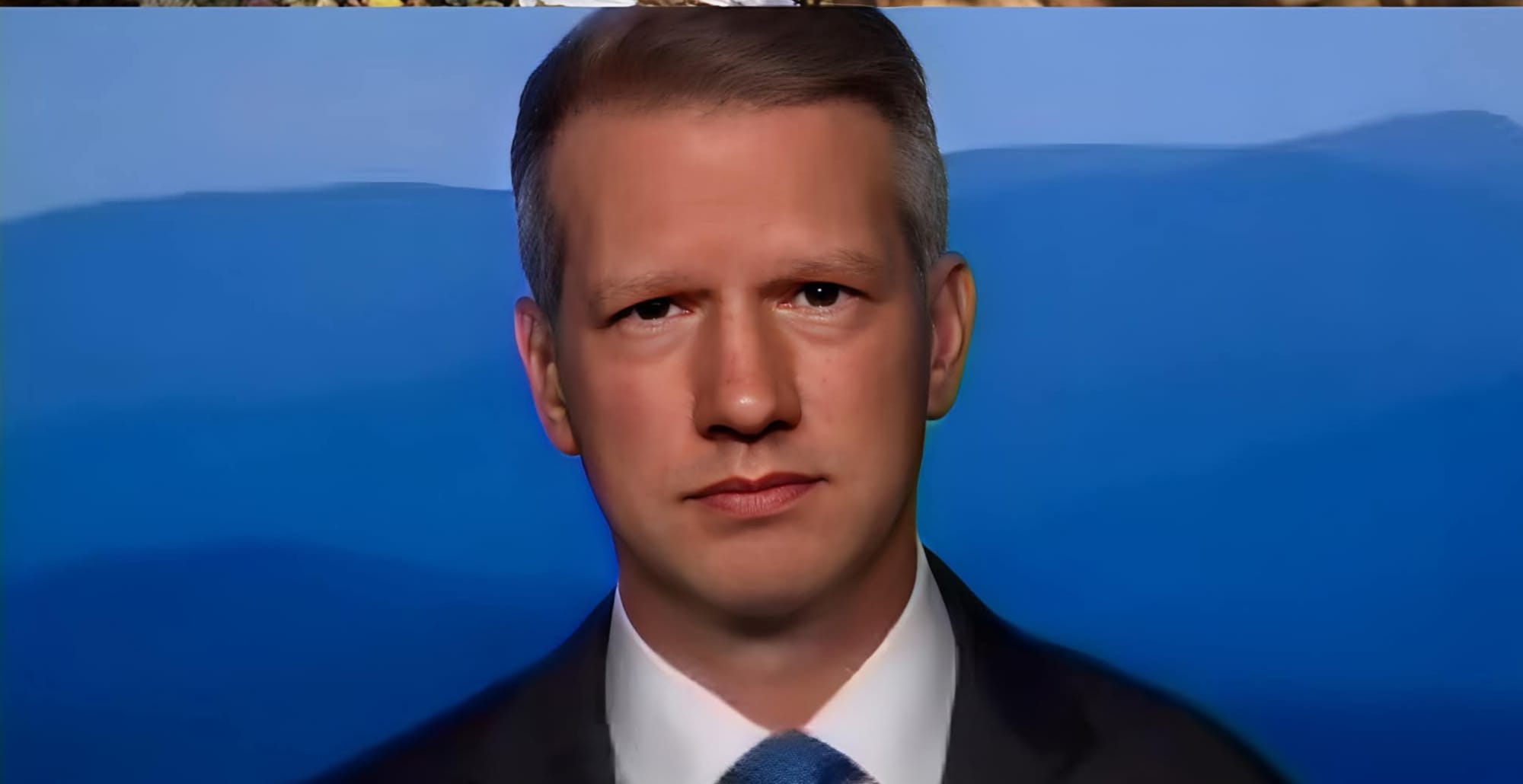
Ambassador Freeman, in an extensive interview with Arise TV News, meticulously outlined the contours of the proposed alliance. He was at pains to emphasise its foundational principle: full deference to Nigerian sovereignty. “Our objective is to work alongside Nigeria’s government,” Freeman stated. “This would be a partnership, guided entirely by Nigerian security agencies and limited strictly to areas specifically authorised by Abuja.”
The ambassador positioned the initiative as a logical extension of Israel’s expertise, honed through decades of confronting asymmetric threats and terrorism. “The backbone of what we are discussing is information exchange and strategic cooperation,” he explained. “It is about capacity-building, providing tools and insights that can help Nigerian forces better anticipate, intercept, and neutralise threats.” He stressed that Nigerian authorities would retain absolute discretion in determining the geographic and operational scope of any collaboration, dispelling notions of foreign boots on the ground or autonomous Israeli operations.
Crucially, Freeman framed the assistance as holistic, aimed at the hydra-headed monster of Nigerian insecurity. “While the protection of vulnerable communities, including Christians, is a urgent concern, our focus is not exclusive,” he clarified. “The offer is designed to contribute to resolving Nigeria’s wider security problems—the terrorism of Boko Haram and the Islamic State West Africa Province (ISWAP), the insurgency in the North-East, the violent extremism and banditry plaguing the North-West and Central regions, and the complex farmer-herder clashes that often take on sectarian dimensions.”
This broader framing is a diplomatic necessity, aligning with the Nigerian federal government’s longstanding position. Officials in Abuja have consistently resisted characterising the violence as primarily religious, attributing it instead to a toxic cocktail of economic deprivation, climate change-induced resource competition, failed governance, and criminal opportunism. An intervention perceived as exclusively sectarian would be politically untenable for President Bola Tinubu’s administration.
The Unspoken Catalyst: A Global Outcry Over "Religious Cleansing":
However, the subtext of Israel’s offer is unmistakable and addresses a wound that has drawn increasing global scrutiny: the horrific, targeted attacks on Christian congregations and communities, particularly in Nigeria’s Middle Belt. Scenes of massacred worshippers in churches, abducted clergy, and decimated Christian villages have sparked outrage among international human rights groups and religious freedom advocates.
Organisations like Open Doors and the International Society for Civil Liberties & Rule of Law have documented a staggering toll, with thousands killed annually in what some term a “silent slaughter.” This narrative has found a powerful echo in parts of the United States Congress and among evangelical communities worldwide, who have pressured their governments to act. The term “genocide” has been used in some legislative circles, while “religious cleansing” is increasingly employed by advocacy groups.
It is within this heated discourse that Israel’s offer gains particular resonance. Ambassador Freeman directly linked the initiative to Israel’s own values. “We reject any criticism that this engagement conflicts with our stance on other global issues,” he asserted, a subtle rebuttal to those who might question Israel’s motives given other conflicts. “Israel is a nation deeply committed to religious freedom. Christian communities in Israel thrive, worship in safety, and serve in our parliament and courts. We feel a moral imperative to assist those facing persecution elsewhere.”
This moral framing allows Israel to position itself as a unique defender of threatened minorities, leveraging its security prowess for humanitarian ends. For the Nigerian government, accepting such tailored assistance could be a way to address international criticism without fully conceding to the religious war narrative.
Sovereignty, Strategy, and Scepticism: The Domestic Minefield:
The potential collaboration, while promising on paper, must navigate a domestic landscape fraught with political, religious, and ethnic sensitivities. Nigeria’s security architecture is a complex, often fractious, ecosystem involving the military, police, state security services, and regional vigilante groups. The infusion of a foreign intelligence partner, however skilled, risks turf wars, intelligence leaks, and operational friction.
Northern political and religious elites, already wary of perceived southern and Christian-centric narratives of the conflict, may view an Israeli role with deep suspicion, potentially fuelling conspiracy theories and inflaming tensions. The government will have to perform a delicate balancing act, ensuring any cooperation is seen as strengthening national counter-terrorism efforts, rather than taking sides in an internal religious schism.
Furthermore, Nigeria’s traditional security partnerships, particularly with the United States and the United Kingdom, have at times been strained by concerns over human rights abuses and corruption within Nigerian forces. Israel, with its reputation for pragmatic and less condition-laden security ties, presents an alternative model. However, this could introduce new complexities into Nigeria’s already multi-vectored foreign policy.
Security analysts caution that intelligence, while critical, is only one piece of the puzzle. “Sophisticated SIGINT [signals intelligence] or drone surveillance can help locate terrorist camps or intercept kidnap gangs,” noted Dr. Chidi Nwaonu, a Lagos-based security consultant. “But it does not address the root causes: poor governance, lack of justice, endemic poverty, and the proliferation of small arms. It is a tactical tool, not a strategic solution. The danger is it becomes a high-tech plaster on a festering, systemic wound.”
A Watershed Moment for Nigeria and Beyond:
The Israeli proposition arrives at a pivotal juncture. Nigeria’s security challenges are metastasizing, with criminality and ideology becoming increasingly intertwined. The capacity of the state to protect its citizens, the fundamental contract of governance, is being severely tested daily.
Accepting Israeli assistance could provide a much-needed infusion of capability and potentially save lives in the short term. It signals to both insurgents and vulnerable communities that Nigeria is mobilising every available resource. It also places Nigeria at the centre of a new, emerging axis of security cooperation among nations facing similar threats of religiously-tinged terrorism.
Yet, the risks are substantial. Mismanaged, it could deepen internal divisions, provoke backlash from other armed groups, and create an over-reliance on external actors for domestic security. The symbolism is potent and double-edged: for some, Israel is a stalwart defender of the persecuted; for others, a polarising actor in the Muslim world.
Ultimately, the success or failure of this prospective partnership will hinge on Nigerian ownership. As Ambassador Freeman himself conceded, the “where” and “how” rest solely with Abuja. The Tinubu administration must now weigh a formidable offer. It must determine if this intelligence lifeline can be integrated into a coherent, just, and comprehensive national strategy—one that protects all citizens, pursues lasting peace, and addresses the profound grievances that fuel the endless cycle of violence. The world watches, as Nigeria stands at a crossroads between deeper international entanglement and a renewed, but externally aided, fight for its own soul and security.
The coming weeks will see intense diplomatic and security consultations. The decision made in Abuja will not only shape the immediate safety of millions but also redefine Nigeria’s position in a world where the lines between internal conflict and international humanitarian concern are increasingly blurred.