

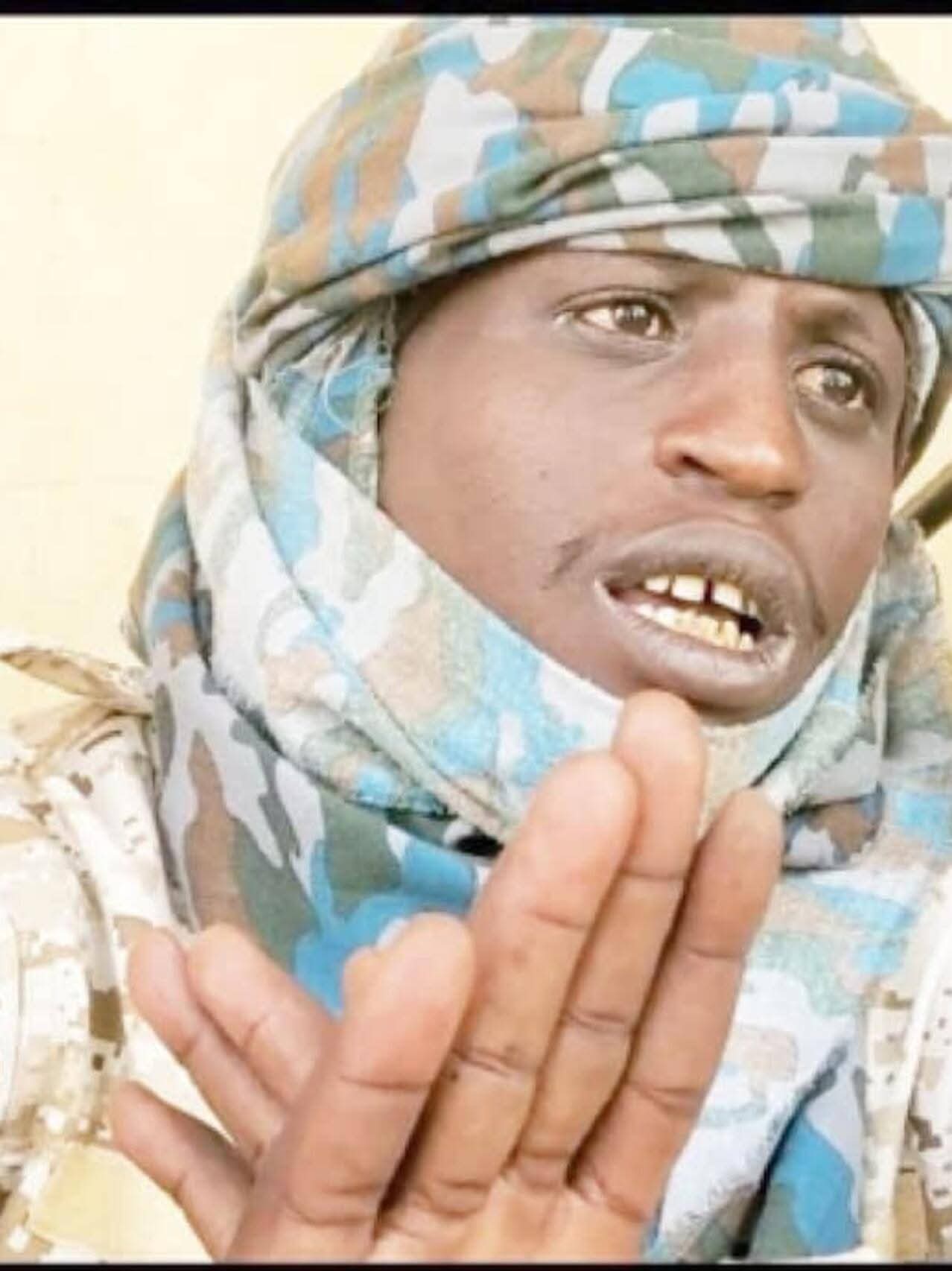
In a dramatic and potentially game-changing development, multiple sources are confirming the elimination of one of Nigeria’s most feared bandit kingpins, Bello Turji. According to intelligence and security reports, Turji was killed during a precision airstrike conducted by United States military assets, signaling a significant escalation in international involvement in Nigeria’s protracted fight against insecurity.
For years, the name Bello Turji struck a chord of dread across the northwestern states of Zamfara, Sokoto, and beyond. As the leader of a sprawling and exceptionally violent criminal network, Turji transformed from a local menace into a symbol of the region’s security crisis. His reported death is not just the fall of one man; it is an event that could reshape the landscape for millions of civilians who have lived under the shadow of his gang’s brutality.
A Reign of Terror Ends:
Turji’s network was implicated in a horrifying catalog of atrocities that brought daily life to a standstill in vast areas of the northwest. His tactics were defined by sheer ruthlessness:
· Mass Kidnappings for Ransom: Turji’s gang was a primary driver of Nigeria’s kidnapping epidemic, abducting hundreds of schoolchildren, travelers, and villagers from their homes. These operations were coldly calculated, funding the gang’s operations and weaponry while traumatizing communities.
· Devastating Village Raids: Communities lived in perpetual fear of sudden assaults. These raids often involved burning down homes, silos, and marketplaces, and destroying farmlands—a tactic meant to cripple local economies and displace populations.
· Road Ambushes and Blockades: Major highways became perilous danger zones, effectively cut off by Turji’s fighters. This strangled commerce, isolated communities from essential services, and made ordinary travel a life-risking undertaking.
The human cost of his activities is immeasurable, contributing to a severe humanitarian crisis marked by displacement, hunger, and the collapse of local economies.
A Coordinated Strike: A New Chapter in the Fight?
While details of the operation remain closely guarded, the reported involvement of U.S. forces points to a high level of international intelligence collaboration. This strike appears to have been a targeted, deliberate action, suggesting a shift towards direct external military intervention against specific high-value threats in the region.
For many security analysts, this move represents a pivotal moment. “The elimination of a figurehead like Turji is a major symbolic and operational victory,” notes our security correspondent. “It demonstrates a capability to locate and neutralize these leaders in their heartlands. This could severely disrupt his network’s chain of command and operations in the short term.”
Community Reaction: Cautious Hope Amidst Uncertainty:
On the ground, news of Turji’s death has been met with a complex mix of relief, hope, and caution. In towns and villages long terrorized by his gang, there is a palpable sense of a burden lifted.
“We can finally breathe a little,” shared Amina Lawal, a schoolteacher from Zamfara who relocated to Sokoto due to prior attacks. “For years, we whispered his name in fear. To hear he is gone… it feels like the first ray of sun after a very long, dark night. Maybe our children can return to school safely. Maybe our farmers can return to their fields.”
However, this hope is tempered by hard-earned wisdom. Community leaders and security experts are quick to warn that the death of a single leader, while critical, does not automatically dismantle a vast criminal enterprise. The challenge now, they stress, is preventing a violent power struggle within the network and ensuring security forces can fill the vacuum to prevent renewed factional violence.
“This is a crucial window of opportunity,” explains Dr. Chidi Nwachukwu, a regional policy analyst. “The triumph will be measured not just by this strike, but by what comes next. There must be an immediate, sustained push by joint Nigerian forces to capitalize on this disruption, alongside intensified community policing and development initiatives to address the root causes of banditry.”
The Road Ahead:
The reported killing of Bello Turji undeniably marks one of the most significant blows against banditry in northwest Nigeria in recent years. It sends a powerful message to other armed groups about their vulnerability and signifies growing international willingness to assist in confronting threats to regional stability.
As the dust settles, all eyes will be on the security response in the coming days and weeks. The Nigerian military is expected to intensify operations in Turji’s former strongholds. Meanwhile, communities are watching, hoping that this moment will be the turning point they have desperately prayed for—a first, decisive step on the long road toward reclaiming their peace, their homes, and their futures.
This is a developing story, and we will continue to bring you verified updates as they emerge. For now, a region long defined by fear is allowing itself a moment of cautious optimism, daring to believe that a corner has finally been turned.