

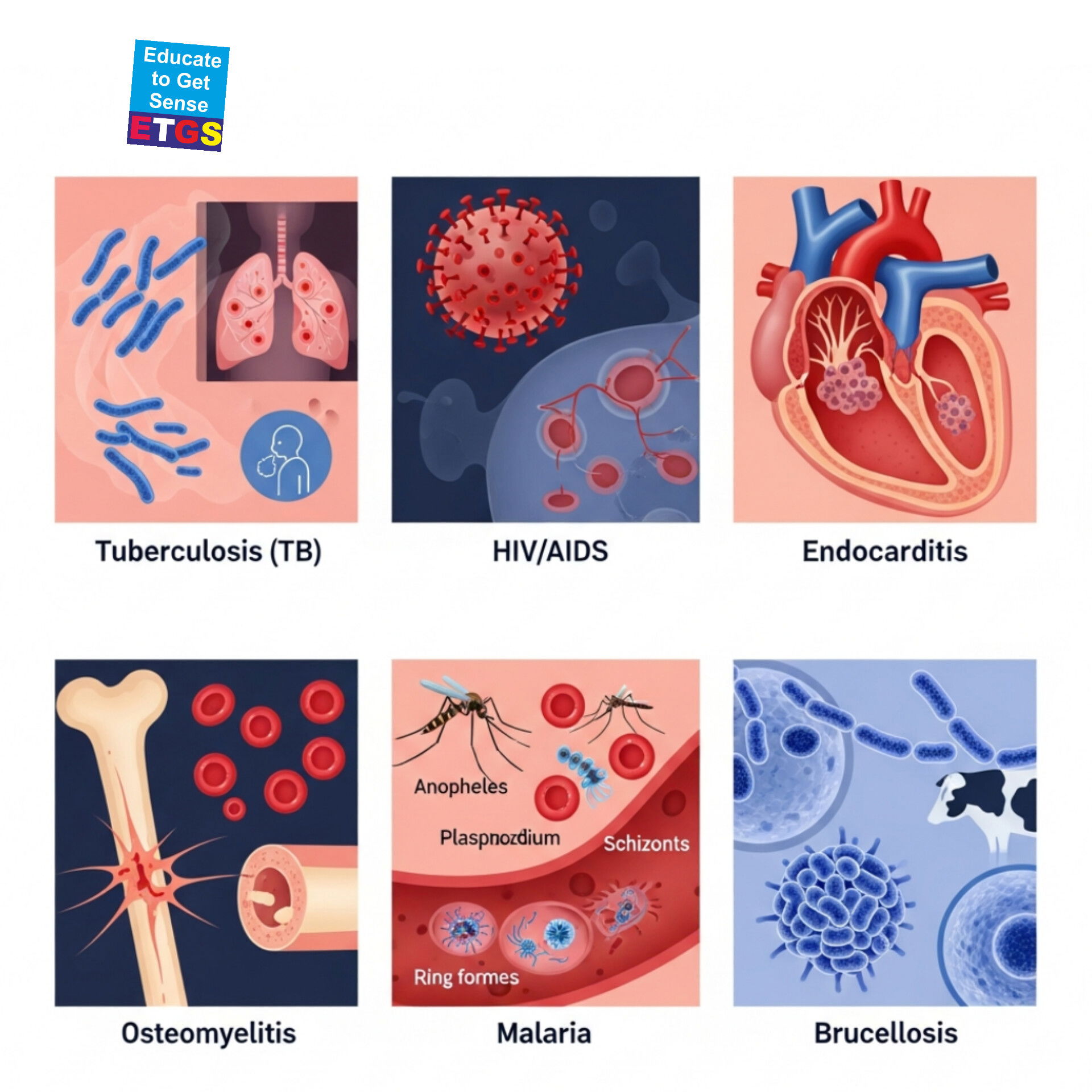
Night sweating can be uncomfortable, confusing, and sometimes alarming. Waking up in the middle of the night soaked in sweat—despite sleeping in a cool room or using light bedding—can leave anyone worried. While occasional night sweats can happen due to stress, spicy food, hormonal changes, or warm weather, persistent night sweating should never be ignored.In many cases, ongoing night sweats are the body’s way of signaling that something deeper may be wrong. One of the most common medical causes of persistent night sweating is infection. Certain infections trigger the immune system to work overtime, causing fever-like reactions that lead to excessive sweating, especially at night.The good news? Most infections are treatable, especially when detected early. Understanding the possible causes is the first step toward taking control of your health and seeking proper medical care.In this article, we will explore six infections that mostly cause persistent night sweating, explain how they affect the body, highlight other symptoms to watch out for, and offer encouraging advice on when to seek help.Let’s get started—knowledge is power, and your health truly matters.
Before diving into specific infections, it’s helpful to understand why night sweats occur.Night sweats happen when the body’s temperature regulation system is disrupted. Many infections cause inflammation, fever, and immune responses that raise body temperature. When this temperature fluctuates—especially at night—the body releases heat through sweating.Persistent night sweating is usually:
Now, let’s look at the infections most commonly associated with this symptom.
Tuberculosis is one of the most well-known infections associated with night sweats, particularly in developing countries. It is caused by the bacterium Mycobacterium tuberculosis and mainly affects the lungs, though it can spread to other parts of the body.TB remains a major global health concern, but the encouraging news is that it is curable with proper treatment.
TB causes chronic inflammation and long-term immune activation. This leads to:
Night sweats in TB are often profuse and persistent, sometimes lasting for weeks or months.
When treated early, TB has a high cure rate. Delayed treatment can lead to serious complications and transmission to others.Motivational note: If you or someone around you has prolonged night sweats and cough, seeking medical testing could save a life—including your own.
HIV is a viral infection that attacks the immune system, making the body vulnerable to other infections. Persistent night sweating is a common early and late symptom of HIV infection.With modern medicine, people living with HIV can lead long, healthy, and fulfilling lives.
HIV causes:
These factors disrupt the body’s temperature control, leading to frequent night sweats.
Night sweats alone do not mean HIV, but when combined with other symptoms, testing is essential.Motivational note: Knowing your HIV status empowers you. Early treatment protects your health, your dreams, and the people you love.
Malaria is a parasitic infection transmitted by the bite of infected Anopheles mosquitoes. It is very common in tropical regions, including many parts of Africa.Malaria is a leading cause of fever-related night sweats, especially when untreated or recurrent.
Malaria parasites invade red blood cells and multiply in cycles. These cycles cause:
The sweating phase often occurs after fever breaks, commonly at night.
Malaria is treatable with antimalarial medications, especially when diagnosed early.Motivational note: Night sweats combined with fever should never be ignored. Early testing can bring fast relief and prevent complications.
Endocarditis is a serious infection of the inner lining of the heart chambers and valves. Though less common, it is a significant cause of persistent night sweating, especially in people with heart conditions.
The infection leads to:
These processes cause ongoing night sweats that can be severe.
Endocarditis can damage heart valves if untreated. Early diagnosis and antibiotic therapy greatly improve outcomes.Motivational note: Listening to your body and acting early can protect your heart and your future.
Brucellosis is a bacterial infection transmitted from animals to humans, often through:
It is more common in people who work with livestock.
One of the hallmark symptoms of brucellosis is profuse night sweating, sometimes described as having a strong odor.The bacteria cause:
With proper antibiotics, brucellosis is treatable, though therapy may last several weeks.Motivational note: Simple lifestyle awareness—such as avoiding unpasteurized dairy—can protect your health in powerful ways.
Certain systemic fungal infections can cause persistent night sweats, particularly in people with weakened immune systems. One notable example is histoplasmosis.
Fungal infections can spread throughout the body, leading to:
These factors result in ongoing night sweats.
Motivational note: Even rare infections can be managed effectively when detected early. Never hesitate to seek medical advice.
Persistent night sweats should not be ignored if they:
Early medical evaluation can bring clarity, reassurance, and effective treatment.
Your body has an incredible way of communicating with you. Persistent night sweating is not something to fear—but it is something to respect.The infections discussed in this article may sound serious, but the truth is encouraging:
Never let fear delay care. Seeking help is a sign of strength, not weakness. Your health is your greatest asset, and you deserve to protect it.Stay informed. Stay hopeful. And always listen to your body.